Epidemiological surveillance of respiratory infections: detecting outbreaks before they spread
Bacterial respiratory infections do not always manifest as obvious outbreaks. They often begin as isolated cases with non-specific symptoms, leading to delayed diagnoses by the time the infection has already spread through the population. That is why epidemiological surveillance is essential: it transforms laboratory results into information that can identify trends, clusters of cases and outbreaks whilst it is still possible to intervene.Qué es la vigilancia epidemiológica
Epidemiological surveillance is the ongoing collection, analysis and interpretation of data on diseases to inform public health decisions. It is not limited to counting cases, but enables us to answer key questions such as which pathogens are circulating, whether their prevalence is increasing or decreasing, which populations are most affected, and whether there are any linked cases.
On 12 October, the WHO set a target that, by 2030, all countries should be able to detect and understand emerging health threats within 24 hours, because rapid detection makes it possible to contain outbreaks before they turn into epidemics or spread internationally.
Why it is key to detecting outbreaks
An outbreak may go unnoticed if each laboratory or healthcare centre focuses solely on its own individual cases. Epidemiological surveillance makes it possible to link these seemingly isolated cases and thus detect early warning signs.
Its main functions include:
- Detecting unusual increases in infections caused by the same pathogen in a particular area, institution or population.
- Identifying temporal or geographical clusters that suggest a common source or person-to-person transmission.
- Characterising the causative agent – for example, by distinguishing between serotypes or strains – to better understand the outbreak.
- Guiding control measures, such as chemoprophylaxis for contacts of cases, targeted vaccination, isolation or communication campaigns.
- Assessing the impact of interventions, including vaccination programmes and preventive measures.
Modern surveillance systems integrate capabilities such as genomic sequencing, bioinformatics, epidemiological intelligence and real-time data analysis to rapidly detect and understand emerging health threats.
From laboratory results to a public health alert
The microbiology laboratory is the starting point for many epidemiological alerts. A positive molecular result not only guides the patient’s treatment but, when it is recorded, typed and reported appropriately, becomes a piece of surveillance data.
This process allows us to distinguish between:
- Sporadic cases: these are rare or isolated cases with an unknown epidemiological link.
- Endemic: when a pathogen is circulating routinely or is constantly present in a population or geographical area.
- Seasonal increase: this refers to a predictable rise, as occurs with many respiratory infections in winter.
- Cluster: when several related cases occur within the same timeframe, in the same location or within the same population.
- Outbreak: an increase in cases that exceeds expectations and therefore requires investigation or intervention.
The faster and more accurate this process is, the sooner control measures can be put in place. In the case of communicable or vaccine-preventable diseases, this difference can be crucial in protecting contacts, vulnerable patients and at-risk groups.
Three examples that demonstrate the value of surveillance
Haemophilus influenzae type b
H.influenzae type b (Hib) illustrates why it is not enough simply to detect the bacterium: it must also be characterised. Although vaccination against Hib has led to a sustained reduction in invasive disease, the ECDC reported 5,234 confirmed cases of invasive H.influenzae disease in the EU/EEA in 2023, with the highest notification rate observed in the last five years, and serotype b accounted for 5 per cent of known serotyped cases.
Surveillance led to the identification of an invasive outbreak of Haemophilus influenzae type b amongst middle-aged people who used drugs and homeless people in Hamburg, Germany, from September 2024 to August 2025. As a result, this prompted an update to Germany’s national vaccination guidelines, which now recommend Hib vaccination during outbreaks amongst specific vulnerable populations.
Bordetella pertussis and Bordetella holmesii
The rise in whooping cough cases in Europe highlights the value of sustained surveillance. In 2024, 29 EU/EEA countries reported 209,674 cases of whooping cough, with a notification rate of 54.9 cases per 100,000 population: more than eight times the rate in 2023 and 78 times that of 2022. Infants under one year of age and adolescents aged 10 to 14 were the groups most affected.
In this context, it is essential to distinguish between B.pertussis and B.holmesii. Both can cause similar clinical presentations, and the sequence used for diagnosis, IS481, is present in both genomes. If only B.pertussis is distinguished from B.parapertussis, this may result in a false positive for B.pertussis in the presence of B.holmesii.
A study carried out in northern India and published in Emerging Infectious Diseases demonstrated evidence of significant circulation of B.holmesii between 2019 and 2023, highlighting the potential role of this pathogen in co-infection and also as a primary aetiological agent, as evidenced by the presence of this bacterium in unvaccinated patients with negative pertussis IgG test results. The article also highlights the practical value of integrating molecular tests into routine surveillance to accurately distinguish between Bordetella species and guide public health responses.
Mycoplasma pneumoniae and atypical pneumonia
Mycoplasma pneumoniae is an example of how a respiratory pathogen can experience a significant resurgence and go unnoticed were it not for laboratory surveillance. The CDC identified a rise in infections in 2024, including amongst young children. Data from the NSSP, NVSN and TREND showed that the increase began in late spring or early summer 2024, with peaks in A&E visits amongst the 2–4-year-old and 5–17-year-old age groups in August 2024.
The scale of the increase was highlighted in a CDC study published in the MMWR: the number of hospital discharges of children with community-acquired pneumonia (CAP) associated with M.pneumoniae in US paediatric hospitals rose sharply, accounting for approximately half of all children hospitalised with community-acquired pneumonia (CAP). This figure included children under the age of 5, a group in which M.pneumoniae infections have historically been reported less frequently.
In all three scenarios, the laboratory not only confirms the patient’s diagnosis: it generates the evidence needed to recognise unusual increases, differentiate between pathogens with similar clinical presentations, and trigger a timely public health response.
Molecular diagnostics and surveillance: a necessary partnership
As previously mentioned, epidemiological surveillance relies on high-quality data. Multipathogen molecular panels are a useful tool for generating such data, as they enable the simultaneous analysis of relevant respiratory bacteria and provide a more comprehensive understanding of the aetiology of the infection.
For a clinical laboratory, this translates into three benefits:
- A faster diagnostic response, which is useful for guiding patient management.
- Greater detection capacity, as it covers pathogens that may go undetected in a targeted test.
- Improved generation of epidemiological data, by identifying relevant pathogens and subtypes in a standardised manner.
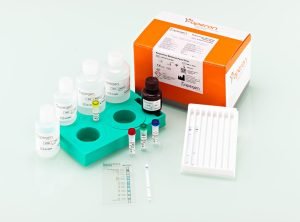
The Respiratory Bacterial Panel Strip is a molecular diagnostic test for professional use, designed to detect and differentiate between 14 species of bacteria that cause respiratory symptoms, using DNA from samples taken from the respiratory tract (pleural fluid, bronchoalveolar aspirate/lavage, sputum, nasopharyngeal aspirate/lavage, nasopharyngeal swab, ear swabs, conjunctival swabs) of the following bacteria: S.pneumoniae, B.pertussis, B.parapertussis, B.holmesii, Legionella spp (further distinguishing between L.pneumophila, L.micdadei, L.longbeachae and L.bozemanae), M.pneumoniae, C.pneumoniae, H.influenzae (distinguishing serotype b from non-b) and M.catarrhalis.
This multi-pathogen detection capability supports both aetiological diagnosis and epidemiological surveillance: it helps laboratories detect relevant respiratory pathogens and generate more comprehensive data for identifying trends, clusters and outbreaks.
Find out how the Respiratory Bacterial Panel Strip can enhance laboratories’ diagnostic and surveillance capabilities: